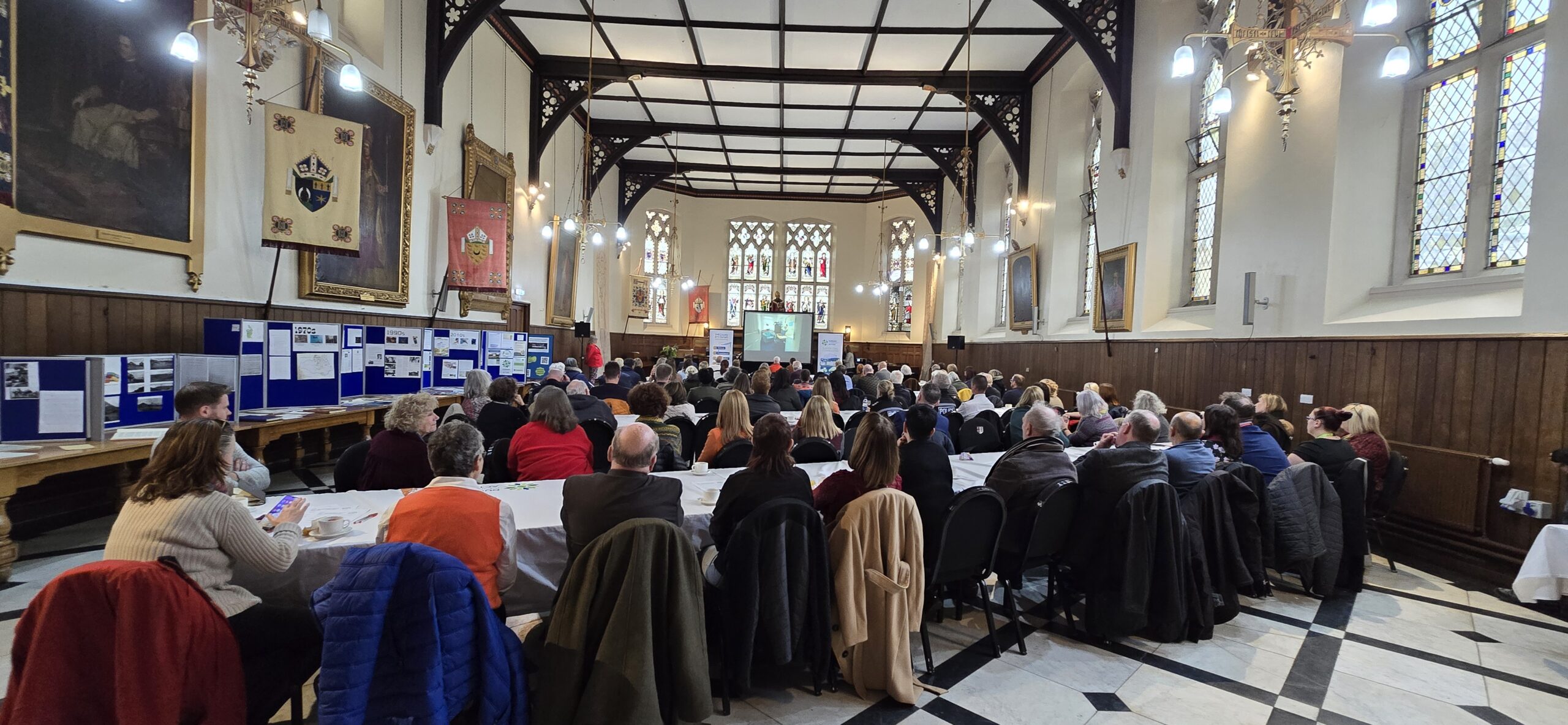
Durham Community Action, the voluntary sector infrastructure organisation for County Durham, celebrated it’s 90th birthday last week.
The organisation provides advice, support and assistance to frontline groups operating in the Voluntary and Community Sector and to various communities of interest across the county.
Back in the depression years of the 1930s, more than 30% of County Durham’s workforce was unemployed. The National Council for Social Service (the Government Agency of the day) recognised a need to provide social support for the unemployed, and this led to the establishment of The Community Service Council for County Durham in 1935 (the Council).
The Council provided practical help and support for hard-pressed men and their families, by establishing a series of Service Clubs for men and women covering skills such as handicrafts, keep fit, education and drama.
In 1984 the organisation changed its name to Durham Rural Community Council, reflecting the growing importance of the rural agenda, thanks in particular to financial support from the Rural Development Commission, and then in 2013 to embrace work in more urban areas became Durham Community Action.
To celebrate this historic occasion, over one hundred people gathered at Ushaw Historic House and Gardens to catch up, enjoy a selection of videos from groups that have received support from DCA and there was an opportunity to explore the Durham Community Action archive.
Kate Burrows, Executive Director of Durham Community Action, said:
“It was lovely to see so many people from across the County join us to celebrate this momentous milestone for Durham Community Action.
It was a great opportunity to reflect on the work and impact of our organisation over the last ninety years, and to hear directly from community groups the difference we have made to them.
DCA exists to help those working to support their communities by making sure voluntary and community organisations are recognised for the work they undertake and the impact they have in communities, on people’s health, their economic well-being and their ability to enjoy their lives in their places.
Thank you to everyone for your support. We hope to continue working alongside you all for another ninety years!”